Dry-aged beef is a true delicacy that offers a superior culinary experience. This process, which enhances the meat’s texture and flavor, requires special care to maintain its properties once you





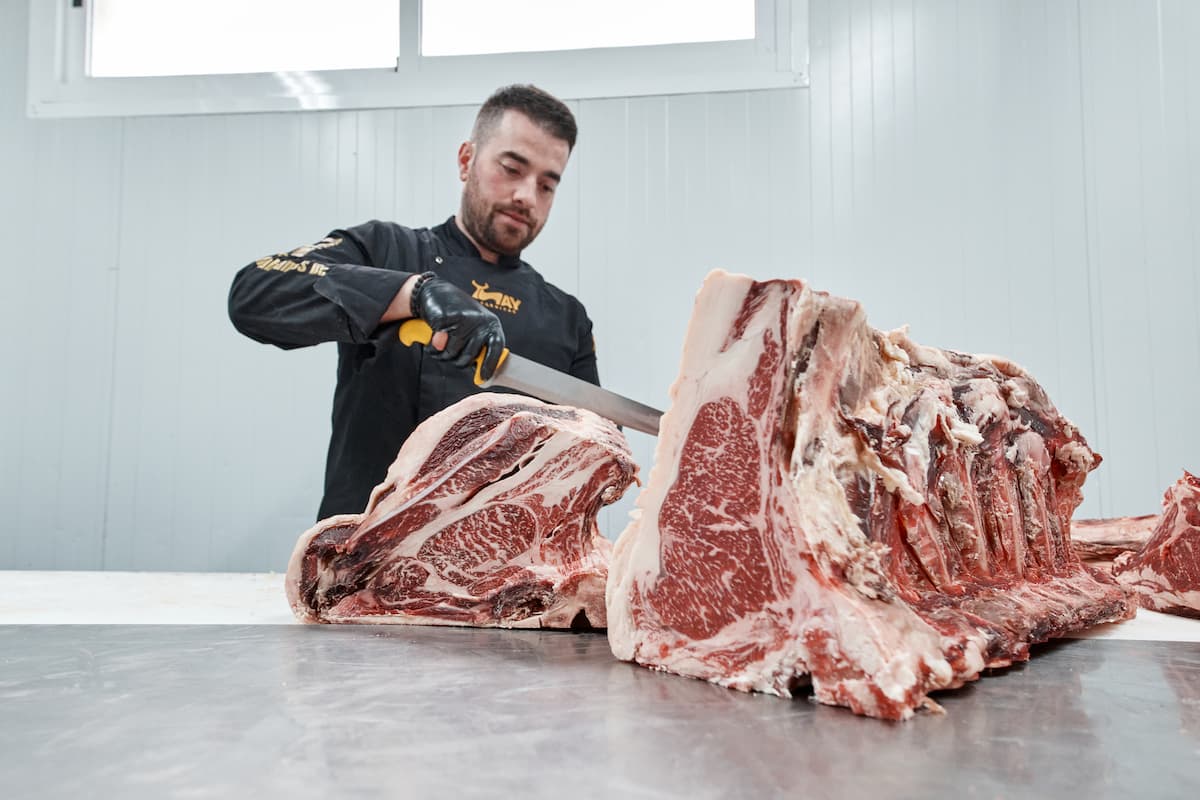
Dry-aged meat is a culinary process that has gained popularity in the gastronomic world due to its impressive results in flavor, texture, and tenderness. In this article, we will explore in detail what it is, its benefits, the ideal types of meat for this process, how it is carried out, and why it is so important to diners.
Entering the world of dry-aged meats means discovering a gastronomic facet where art, science, and patience intertwine to enhance the meat’s most exquisite attributes. This process not only magnifies the existing virtues but transforms the product into a superior version of itself.
Lovers of fine cuisine will find in dry-aged meats a gateway to deeper flavor experiences and textures that border on perfection, making every bite a special occasion. Dry aging goes beyond mere preservation; it enhances the meat’s distinctive characteristics, delivering a final product that stands out for its unparalleled flavor and quality.
Refining meat through aging is a science that greatly enhances its flavor and tenderness. This process relies on the natural action of enzymes that gently break down muscle fibers, giving the meat unparalleled tenderness and an extraordinary intensity of flavor.
This transformation enhances the tasting experience and also makes the meat an ideal component for absorbing the flavors of marinades and spices, giving the palate a rewarding experience.
In meat aging, flavor and texture are just the beginning. The process also plays a vital role in amplifying aromas. Throughout aging, olfactory compounds are released that fresh meat simply doesn’t possess, adding a richer and more enveloping aromatic dimension.
In this way, the natural aromas transform each dish of aged meat into a complete sensory experience, where each bite possesses exquisiteness and flavors that notably distinguish these cuts.
A crucial element in the meat aging process is the precise management of humidity and temperature. These factors are essential for preserving the meat in optimal condition and also have a direct impact on the quality of the final product.
A meticulously regulated environment ensures that the meat matures evenly and safely, achieving a tenderness and concentration of flavors that can only be attained under exceptional conditions. It is this precision that defines elite dry-aged meats, guaranteeing that every cut is a culinary delight.

The art of aging meat is a delicate process that can be carried out in various ways, depending on the desired result and the type of meat. We can speak of two main methods: dry aging and wet aging. Each has its own peculiarities and benefits, requiring careful understanding and handling to ensure the meat fully develops its best characteristics.
Dry aging involves letting meat rest in an environment where temperature and humidity are rigorously controlled for a considerable time. This natural process allows the meat to lose some of its moisture, intensifying its flavor and perfecting its texture.
This results in noticeably more tender meat, as the enzymes present soften the muscle fibers. Chefs and butchers highly value this method for the superior quality and distinctive flavor profiles it achieves.
In contrast, wet aging involves sealing the meat in a vacuum-sealed bag, allowing it to mature surrounded by its own juices. This approach accelerates the aging process while preserving the meat’s moisture, making it ideal for those who prefer tender, juicy cuts with subtle flavors and a consistent texture.
Although this process may not intensify flavors as much as dry aging, it is notable for offering a more consistent texture and better moisture retention, producing exceptionally tender and juicy cuts, perfect for a variety of dishes.
To achieve success in the aging process, it is essential to pay attention to temperature, humidity, and time. These components must be in perfect balance and constantly monitored to ensure optimal aging. Excessive heat can cause the meat to spoil quickly, while a very low temperature could halt the aging process.
Similarly, too much humidity can encourage mold growth, while too little can dry out the meat prematurely. The aging time will vary depending on the type of meat and the method used, and is vital for achieving the desired level of flavor and tenderness without compromising the product’s safety or quality.

The aging of meat not only enriches the experience of those who taste it; it also profoundly influences the gastronomic industry, raising quality standards and fostering culinary innovation and excellence.
For food lovers, dry-aged beef is a true delicacy. The richness of its flavors and the tenderness of its texture transform any dish into a memorable culinary experience. This beef is especially prized by gourmets for enhancing the pleasure of eating, turning every meal into a celebration. The remarkable difference in quality and taste justifies its popularity in the finest restaurants and among food enthusiasts alike.
Aging is essential for enhancing the flavors and aromas of meat, significantly improving its taste profile and texture for greater tenderness. The culinary experience is thus elevated, making each bite of aged meat a showcase of exceptional flavor and tenderness.
This dedication to quality and culinary art sets dry-aged beef apart in the market, offering chefs and enthusiasts a luxury ingredient for their most sophisticated creations.
Within the meat industry, the aging process is considered an art. Experienced butchers know that properly aging meat adds invaluable quality, transforming it into a premium product. This technique satisfies even the most discerning palates and also enhances the reputation of those professionals and establishments dedicated to offering the highest quality cuts of meat.
That’s why mastering the art of aging is a hallmark of excellence and a commitment to quality, which positions butchers and producers at the forefront of the sector, setting new standards for what is considered prime meat.
Dry-aged beef is a true delicacy that offers a superior culinary experience. This process, which enhances the meat’s texture and flavor, requires special care to maintain its properties once you

The T-bone steak is one of the jewels of Galician gastronomy, renowned for its rich flavor and exceptional texture. From cattle raised on the lush Galician pastures, this meat stands

Cárnicas Nay beef is widely recognized for its superior quality and unparalleled flavor. Sourced from the Galicia region in northwest Spain, this beef stands out not only for its organoleptic