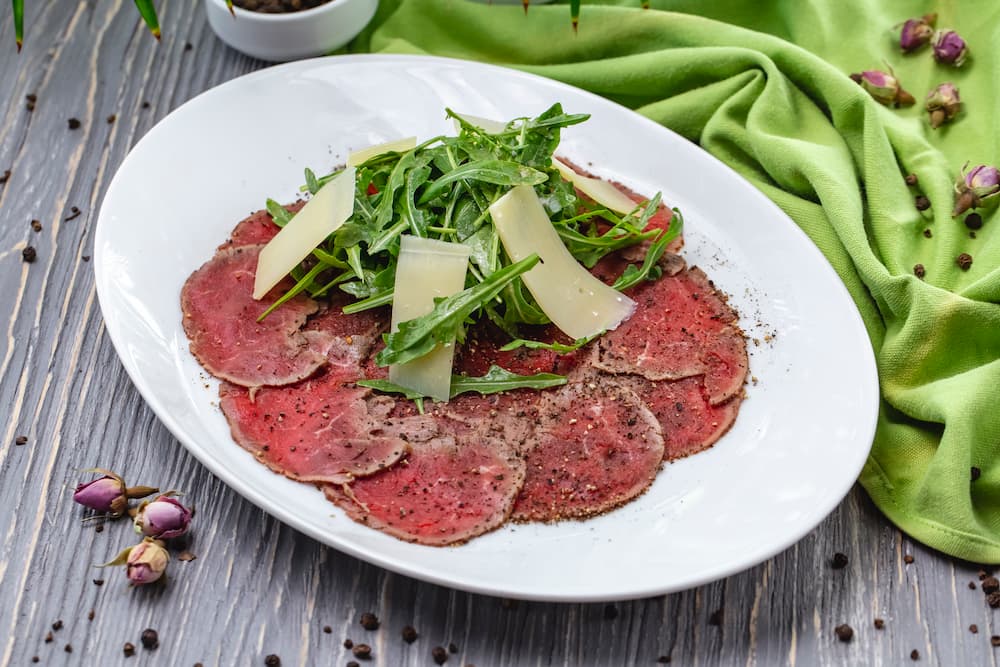
The region of Galicia , in northern Spain, is famous for its vast production of quality products , most notably its Galician blonde beef, a native breed recognized worldwide for





Dry aging is a process that enhances the flavor and texture of meat, transforming it into a unique gastronomic experience. At Cárnicas Nay, we are proud to offer the finest cuts of dry-aged meat for those seeking the highest quality.
Dry aging is a method where meat is aged under controlled temperature and humidity conditions. This process allows natural enzymes to break down muscle tissue, improving tenderness and deepening flavor.
The meat is hung in refrigerated chambers at temperatures between 0°C and 2°C and a relative humidity of 80-85%. This environment prevents the growth of harmful bacteria while enzymes work on the meat. During this period, the meat loses moisture, resulting in a weight reduction of 15-30%, which concentrates the flavors.
The dry-aging process typically lasts a minimum of 28 days, but this can be extended depending on the characteristics of the meat and the desired flavor profile. The meat is stored in chambers with circulating air, maintaining adequate space between the pieces to ensure good air circulation.
Dry aging offers numerous benefits, most notably improved texture and flavor. Enzymes break down proteins, resulting in more tender meat. Furthermore, the loss of moisture concentrates the flavors, developing unique nutty and buttery notes.
Another benefit is the creation of an outer crust that allows for perfect browning during cooking. This results in a crispy exterior while the interior remains juicy and tender.
Although both dry and wet aging aim to improve meat quality, there are key differences between these methods.
Wet aging involves vacuum-sealing the meat and allowing it to age in its own juices. This method is faster and less expensive, but it doesn’t offer the same depth of flavor or the same improvement in texture as dry aging.
Dry aging produces meat with a deeper flavor and a more tender texture compared to wet aging. Dry-aged meat develops complex flavors, including earthy notes and a slight sweetness, while wet aging tends to retain a fresher, less pronounced flavor.

To get the most out of dry-aged beef, it’s important to prepare and cook it properly. Here are some tips:
Before cooking, allow the meat to reach room temperature. Season the meat generously with salt and pepper to enhance its natural flavors.
Dry-aged meat benefits from quick, high-temperature cooking. A quick sear in a hot pan or on a grill helps develop a crispy crust, while the inside remains juicy and tender. Avoid overcooking to preserve the delicate texture achieved during the aging process.
Dry-aged beef is a star on its own, but it can be complemented with simple sides that don’t compete with its flavor. Roasted vegetables, baked potatoes, or a fresh salad are excellent options to accompany this delicacy.
The region of Galicia , in northern Spain, is famous for its vast production of quality products , most notably its Galician blonde beef, a native breed recognized worldwide for

Dry-aged beef is a true delicacy that offers a superior culinary experience. This process, which enhances the meat’s texture and flavor, requires special care to maintain its properties once you
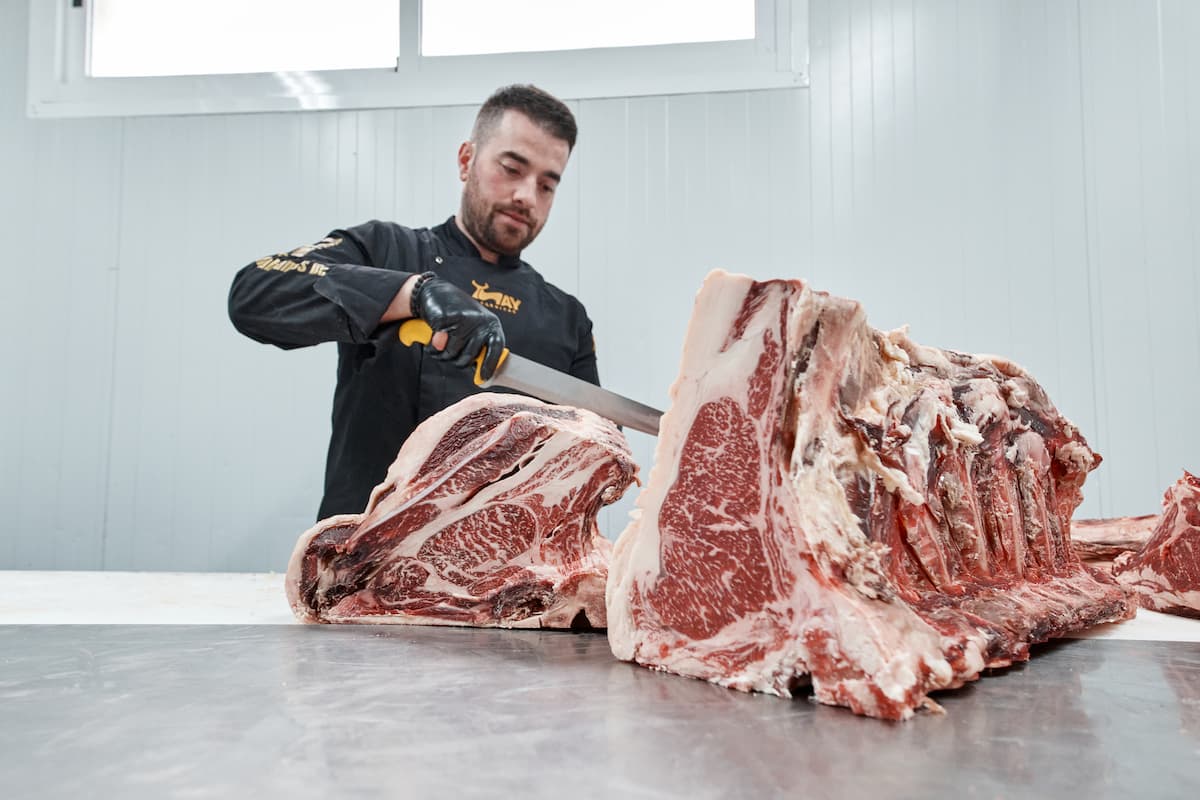
Dry-aged meat is a culinary process that has gained popularity in the gastronomic world due to its impressive results in flavor, texture, and tenderness. In this article, we will explore