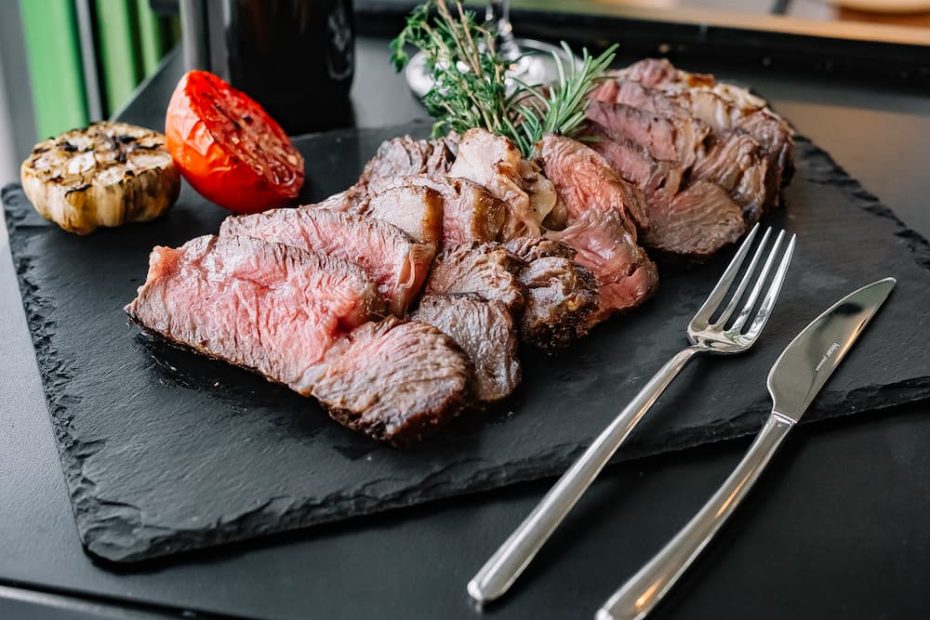
Ribeye steak is a cut of meat highly prized for its juiciness and flavor. Preparing it at home can be easy if you follow a few practical tips. Below, we offer a guide to cooking a delicious ribeye steak and impressing your guests.
Ribeye steak selection
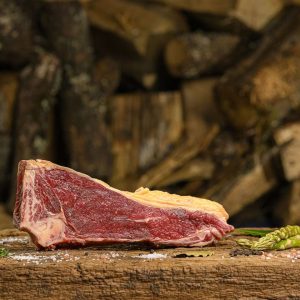
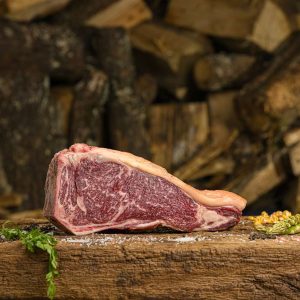
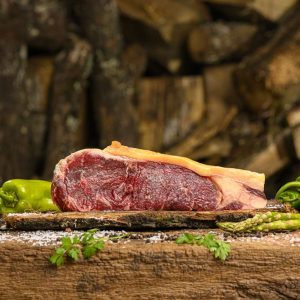
For the best results, choosing a quality ribeye steak is essential. Opt for aged beef, as this process intensifies the flavor and improves the texture. Aging allows natural enzymes to break down the muscle fibers, resulting in more tender and flavorful meat.
-
Nay Blonde Beef Entrecot
€ 22,80 – € 91,20Price range: € 22,80 through € 91,20 Select options This product has multiple variants. The options may be chosen on the product page -
Frisian Entrecot Nay
€ 43,20 – € 72,00Price range: € 43,20 through € 72,00 Select options This product has multiple variants. The options may be chosen on the product page -
Entrecote of Native Beef
€ 21,00 – € 84,00Price range: € 21,00 through € 84,00 Select options This product has multiple variants. The options may be chosen on the product page
Prior preparation
- Room temperature : Take the ribeye out of the refrigerator at least 15 minutes before cooking. This ensures even cooking and prevents the inside from getting cold.
- Drying : Use kitchen paper to dry the surface of the meat. Removing excess moisture helps a golden crust form during cooking.
Cooking the entrecote
- Choosing the pan : A cast iron pan or a vitreous enamelled steel griddle are ideal, as they retain and distribute heat evenly.
- Heating : Heat the pan over high heat until very hot. This is essential for properly searing the meat.
- Searing : Place the ribeye steak in the pan without adding oil, as the meat’s natural fat will be sufficient. Cook for 2-3 minutes on each side to achieve a golden crust.
- Cooking to desired doneness : After searing, reduce the heat to medium and cook according to your preference:
- Rare : 1-2 additional minutes per side.
- To the point : 3-4 additional minutes per side.
- Well done : 5-6 additional minutes per side.
Additional tips
- Do not pierce the meat : Use tongs to turn the ribeye steak and avoid piercing it with forks or other utensils that may puncture the meat and allow the loss of juices.
- Resting : Once cooked, let the ribeye rest for 5 minutes before slicing. This allows the juices to redistribute, ensuring juicier meat.
- Salt and spices : Add coarse salt and pepper to taste after cooking. Some prefer to season beforehand, but doing so afterward brings out the meat’s natural flavors better.
Suggested accompaniments
A good ribeye steak is complemented by side dishes that enhance its flavor. Some recommended options are:
- Baked potatoes : Crispy on the outside and soft on the inside, they are the classic side dish par excellence.
- Fresh salad : A mix of green leaves with a light dressing brings freshness to the dish.
- Grilled vegetables : Peppers, asparagus or grilled mushrooms add a healthy and colorful touch.
Benefits of aged meat
Meat aging is a process that significantly improves its qualities:
- Intensified flavor : Dry aging allows the meat to develop a deeper and more complex flavor.
- Improved texture : Natural enzymes break down muscle fibers, resulting in more tender and soft meat.
- Greater juiciness : The reduction of humidity during maturation concentrates the natural juices of the meat, offering a superior culinary experience.
Common mistakes when cooking a ribeye steak
Avoiding mistakes is key to achieving a perfect ribeye steak. Some common mistakes include:
- Cooking cold meat : If the ribeye steak is not at room temperature, its interior will remain raw while the exterior overcooks.
- Excessive use of seasonings : Quality meat needs nothing more than salt and pepper to enhance its natural flavor.
- Lack of resting time : Cutting the meat immediately after cooking causes it to lose its juices, leaving the ribeye dry.
- Uneven cooking : Using a pan that is not hot enough or turning the ribeye steak frequently can prevent a proper crust from forming.
- Use of unsuitable utensils : A pan that does not distribute heat evenly can ruin the final result.
How to choose the ideal ribeye steak
The origin and quality of the ribeye steak greatly influence its flavor and texture. Be sure to consider the following aspects:
- Origin of the meat : He prefers meat from local livestock, which usually has more rigorous quality controls.
- Marbling : Intramuscular fat provides juiciness and flavor. A ribeye steak with good marbling will always be tastier.
- Aging : Opt for aged cuts, as this process improves the texture and flavor of the meat.
Entrecote vs. other cuts
The ribeye steak is distinguished from other cuts by its balance of lean meat and fat. Compared to the tenderloin, it has a more pronounced flavor thanks to its higher fat content. If you’re looking for a juicy and flavorful cut, the ribeye is an excellent choice.
Varieties of entrecote
Depending on the animal’s origin and the type of farm, you can find different varieties of ribeye steak. Some popular ones include:
- Entrecot from old cows : With a more intense flavor and tender texture due to prolonged maturation.
- Beef entrecote : Milder and with less fat, ideal for those who prefer a more delicate flavor.
- Beef entrecote : Considered a luxury for its incomparable texture and flavor.
Myths about preparing entrecote
There are several myths surrounding entrecote that should be clarified:
- “You have to marinate the ribeye to make it tender” : This isn’t necessary if the cut is of good quality. The aging process already guarantees tenderness.
- “You have to turn it over constantly” : It is better to cook it on one side first and then the other to get an even crust.
- “The entrecote loses flavor if it is not cooked properly” : Quite the opposite, cooking it medium or rare highlights its flavor and juiciness.
Nutritional aspects of the entrecote
Ribeye steak is an excellent source of protein, iron, and B vitamins. Consumed in moderation and accompanied by healthy side dishes, it can be part of a balanced diet. Furthermore, aged beef has a lower water content, which concentrates its nutrients.
Where to buy quality ribeye steak
To enjoy an exceptional ribeye steak, it’s important to buy it from specialized establishments that offer high-quality, dry-aged beef. At Cárnicas Nay , you’ll find a premium selection of ribeye and sirloin steaks, guaranteeing an unparalleled dining experience.